
When purchasing a vegetable slicing machine, buyers often focus on blade sharpness, motor power, and cutting capacity while overlooking one of the most consequential specifications: the material from which the machine body, food contact surfaces, and structural components are manufactured. Stainless steel has become the standard material for commercial vegetable slicing machines not by convention but because it solves a set of practical problems that alternative materials cannot adequately address. Understanding the specific reasons why stainless steel matters helps buyers make informed decisions and avoid equipment that may fail health inspections, corrode prematurely, or contaminate product.
Vegetables release acidic juices during slicing that attack unprotected metal surfaces continuously throughout each operating shift. Tomatoes, with a typical pH of 4.0 to 4.5, and citrus fruits at pH 2.0 to 3.5 are particularly aggressive toward ordinary carbon steel and low-grade aluminum. Even relatively mild produce like cucumbers and lettuce carry enough moisture and organic acid content to initiate surface corrosion within weeks if a vegetable slicing machine uses unprotected or inadequately protected metal surfaces. Stainless steel resists this chemical attack because its chromium content, a minimum of 10.5 percent by mass, forms a passive chromium oxide layer on the surface that self-repairs when scratched or abraded in the presence of oxygen. Grade 304 stainless steel, containing approximately 18 percent chromium and 8 percent nickel, provides sufficient corrosion resistance for virtually all vegetable processing applications. Grade 316 stainless steel, with added molybdenum at 2 to 3 percent, offers enhanced pitting resistance and is typically specified for facilities that use aggressive chlorinated sanitizers or process highly acidic produce in continuous production environments.
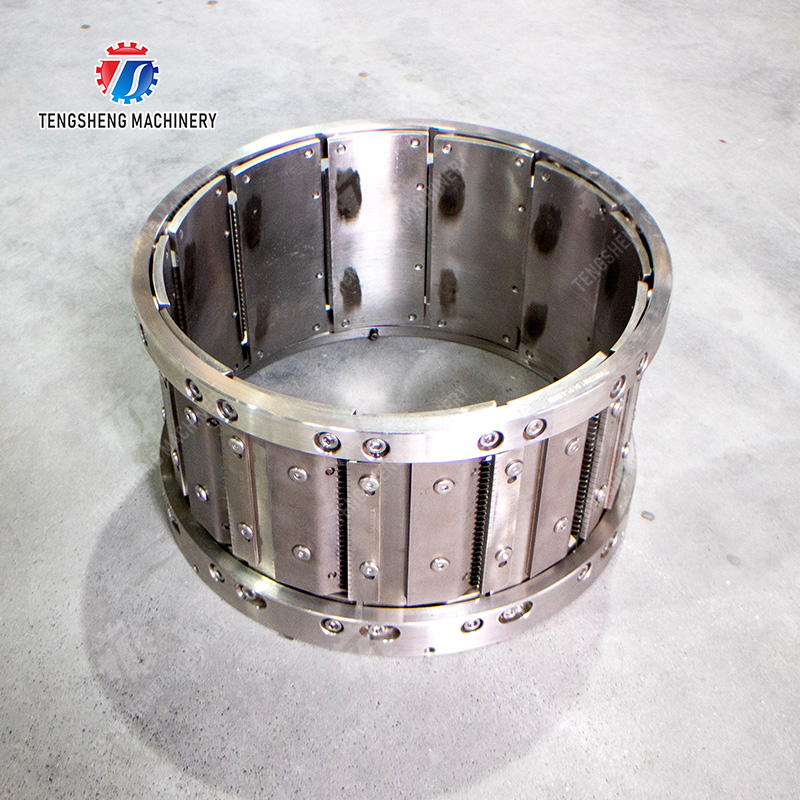
Health inspectors in markets including North America, the European Union, Australia, and Japan require that food contact surfaces be smooth, non-absorbent, corrosion-resistant, and free of cracks or crevices that could harbor bacteria. Stainless steel with a 2B or No. 4 brushed finish meets all of these criteria, while materials like painted carbon steel, anodized aluminum with worn coating, and certain plastic composites do not. A vegetable slicing machine built with food-grade stainless steel for all surfaces that contact vegetables, including slicing blades, guide plates, collection trays, and discharge chutes, passes health inspections more reliably and reduces the administrative burden of compliance documentation. For facilities pursuing HACCP certification or operating under FDA Food Safety Modernization Act requirements in the United States, equipment material traceability becomes a documented requirement. Reputable manufacturers can provide material certificates confirming the grade and origin of stainless steel used in their vegetable slicing machines, which supports audit readiness.
A vegetable slicing machine represents a capital investment expected to deliver reliable service for five to ten years or more in a commercial kitchen or processing facility. The material choice directly determines whether that expectation is met. Aluminum-bodied machines, while lighter and initially less expensive, are prone to denting, scratching, and gradual surface degradation that creates bacterial harborage points within two to three years of daily use. Carbon steel machines, even when powder-coated or painted, eventually develop rust at fastener holes, weld seams, and areas where the coating is chipped by daily cleaning and operational contact. Stainless steel vegetable slicing machines command a higher purchase price, typically 30 to 50 percent more than comparable aluminum or coated-steel alternatives, but the total cost of ownership calculation favors stainless when accounting for longer service life, lower maintenance requirements, and reduced risk of health code violations that can shut down operations. The resale value of used stainless steel equipment is also substantially higher, which matters when a facility upgrades or reconfigures its processing line.
Not all stainless steel vegetable slicing machines are built to the same structural standard. The thickness of the stainless steel sheet used for the machine body, measured in gauge, determines resistance to flexing, vibration, and accidental impact. A machine fabricated from 16-gauge stainless steel, approximately 1.5 millimeters thick, provides rigid support for the motor, transmission, and cutting assembly while resisting deformation if a heavy produce crate bumps against it during a busy shift. Machines built from 20-gauge or thinner material, approximately 0.9 millimeters, may vibrate excessively during operation, causing blade alignment drift and uneven cutting over time. When evaluating a vegetable slicing machine, buyers should check not just that it is labeled as stainless steel but also ask about gauge thickness and inspect weld quality. Continuous TIG-welded seams with smooth, polished finish indicate manufacturing precision that contributes to both structural durability and cleanability. Some manufacturers, such as Zhaoqing Tengsheng Machinery Co., Ltd., produce their equipment using in-house CNC machining centers, laser cutting systems, and automated polishing stations, which supports consistent fabrication quality across production runs.
To put the material choice in practical terms, consider how a vegetable slicing machine endures a typical day in a busy commercial kitchen. The machine is turned on at six in the morning, processes carrots, onions, potatoes, and cabbage for approximately four hours, is washed down with hot water and detergent after each vegetable type change, and undergoes a final deep clean with sanitizing solution at the end of the shift. An aluminum machine subjected to this routine will begin showing surface oxidation within months because hot water and alkaline detergents accelerate aluminum corrosion. A coated carbon steel machine will develop rust at the first chip or scratch, which on a slicing machine is inevitable at blade mounting points and adjustment mechanisms. A stainless steel machine, properly constructed from 304-grade material with smooth polished welds, will show only normal blade wear after years of this routine, with the body and food contact surfaces remaining structurally sound and hygienically compliant. This comparison is not theoretical: it represents the documented experience of food service operators and processing facility managers who have cycled through multiple equipment generations.
Buyers who understand the importance of stainless steel should reflect that understanding in their procurement specifications. A purchase order that simply states vegetable slicing machine without material requirements invites suppliers to offer their lowest-cost option, which may use food-contact stainless steel only for blades and trays while constructing the frame from painted mild steel. An effective specification includes: all food contact surfaces in AISI 304 or equivalent grade stainless steel with 2B or No. 4 finish; machine frame and structural supports in minimum 16-gauge stainless steel; continuous TIG welds ground and polished smooth on all food contact seams; and material certificates available upon request. Buyers should also verify whether the stainless steel used in blade assemblies is hardened to an appropriate Rockwell rating, typically 54 to 58 HRC for vegetable cutting blades, to ensure edge retention during continuous use. Requesting a material specification sheet from the manufacturer before purchase is a standard industry practice that reputable suppliers accommodate without hesitation.
The decision to specify stainless steel for a vegetable slicing machine is ultimately a financial one, even though it is often framed as a quality or safety choice. A stainless steel machine purchased for 4,500 dollars with an expected service life of ten years costs 450 dollars per year in depreciation. An aluminum or coated-steel alternative purchased for 3,000 dollars with a service life of four years costs 750 dollars per year. Adding the labor cost of more frequent maintenance, the operational risk of health inspection findings, and the lower resale value of non-stainless equipment, the lifetime cost advantage of stainless steel becomes clear. For operators who process acidic or high-moisture vegetables, the case is even stronger because corrosion accelerates on non-stainless surfaces in those conditions. The premium paid for a stainless steel vegetable slicing machine should be viewed not as an expense but as an investment in equipment that maintains its performance, hygiene, and asset value over a full operational lifecycle.
Q: Is 304 stainless steel sufficient for all vegetable slicing applications, or do I need 316?
A: Grade 304 stainless steel is sufficient for the vast majority of vegetable slicing applications. Grade 316 is recommended only for facilities that use high-concentration chlorinated sanitizers, process highly acidic produce like citrus continuously, or operate in coastal environments where salt-laden air accelerates pitting corrosion. For a standard commercial kitchen or processing facility, 304 grade provides excellent performance at a lower cost than 316.
Q: How can I tell if a vegetable slicing machine uses genuine food-grade stainless steel?
A: Request a material certificate from the manufacturer specifying the stainless steel grade and origin. Physically inspect weld quality: smooth, polished, continuous welds indicate attention to fabrication standards. A quick field test is to place a drop of water on a hidden surface: genuine stainless steel will not show rust spotting after the water evaporates, whereas lower-grade materials may develop discoloration. For definitive verification, a handheld XRF analyzer can confirm alloy composition in seconds.
Q: Does stainless steel affect the taste or quality of sliced vegetables?
A: Properly passivated food-grade stainless steel is chemically inert and does not react with vegetable acids or transfer metallic flavors to food. This is one of the key reasons it is the preferred material for food processing equipment. Low-grade or improperly finished stainless steel that has not been passivated after welding may, in rare cases, impart a slight metallic note, which is why surface finish quality and post-fabrication passivation matter.

Copyright © 2024 Zhaoqing Tengsheng Machinery Co., Ltd all rights reserved - Privacy policy