
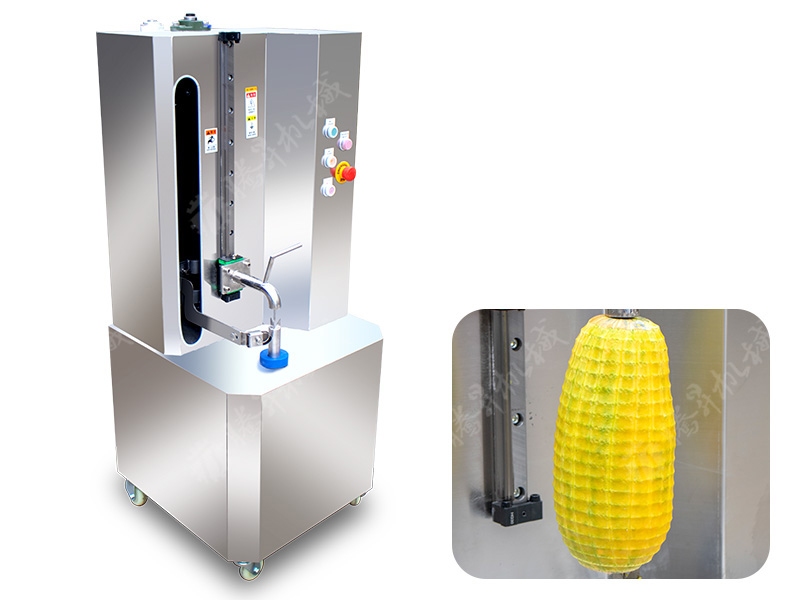
Top industrial melon peeling machine for large factories
For a large factory, choosing a melon peeling machine is not a matter of comparing a single advertised output number. The useful question is whether a melon peeling machine can handle the incoming seed condition, protect usable kernels, fit the cleaning routine, and maintain a steady handoff to the next process. A food-processing equipment adviser would normally begin with the material, the required production rhythm, and sanitation requirements before discussing a particular configuration.
Search results for this equipment often focus on shell removal and nominal capacity. Those points matter, but factory buyers also need to examine separation quality, recirculation, operator access, and the way the melon peeling machine connects with feeding, cleaning, sorting, or packing equipment. A documented trial using representative material gives a more dependable comparison than a headline claim alone.
Start with the melon seed, not the machine brochure
A melon peeling machine works on an agricultural material that can vary in seed size, shell condition, moisture, cleanliness, and lot consistency. These differences affect how easily shells crack, how kernels separate, and how much screening may be needed afterward. Before requesting a proposal, record the seed variety, the typical size range, the incoming moisture condition, foreign-material level, and the acceptable level of broken kernels.
It is tempting to compare only rated throughput. In practice, a factory should ask what material was used for that rating and what preparation steps occurred before the material reached the melon peeling machine. A line may process more smoothly when screening, cleaning, drying or conditioning is planned as part of the system. The right configuration remains dependent on the production conditions that are confirmed during evaluation.
Build a selection matrix around the full process
For large operations, a melon peeling machine should be assessed as one station in a material flow. The table below organizes the questions procurement, production, and maintenance teams can review together.
| Decision area | What to verify | Why it matters |
|---|---|---|
| Feed consistency | Seed size range, moisture condition, cleaning level, and feed continuity | These factors influence cracking and separation behavior. |
| Output quality | Shell carryover, usable-kernel condition, screening needs, and sample inspection method | Throughput has limited value if downstream sorting becomes the bottleneck. |
| Production rhythm | Actual hourly target, shift pattern, start-up time, and buffer capacity | A melon peeling machine should match the line rather than create stop-and-wait cycles. |
| Cleaning access | Access to contact zones, collection points, covers, and removable components | Cleaning time and inspection access affect routine operations. |
| Line connections | Infeed height, discharge route, conveying connection, electrical requirements, and floor layout | Equipment performance changes when it is placed in a real production line. |
Evaluate capacity as a stable operating range
A large factory may need high output, yet the highest momentary feed rate is rarely the only objective. When comparing a melon peeling machine, ask suppliers to distinguish nominal output from the operating range expected with your seed condition. Review the feed system, any recirculation path, and the destination of shells, kernels, and mixed fractions. Observe whether a change in seed condition leads to uneven feeding or additional manual intervention.
A supplier-specific search listing may cite an output around 200 kg per hour, but that type of number should be treated as a prompt for validation, not as a universal specification. During a trial, measure input mass, retained usable kernels, shell carryover, broken material, and the time required for setup and cleanup. Repeating the test with more than one representative lot can reveal whether the melon peeling machine performs consistently when raw material varies.
Protect product quality with separation checks
Shelling and separation are linked decisions. A melon peeling machine that cracks shells effectively may still require suitable aspiration, screening, or sorting to obtain the output your downstream process accepts. Define the inspection points before the trial: incoming material, post-cracking mixture, recovered kernels, shell discharge, and final sorted output. This makes it easier to identify whether a quality concern originates at peeling, separation, feeding, or later handling.
Do not assume that one setting suits every lot. If seed characteristics fluctuate, document what adjustment is permitted, who makes it, and how the change is verified. This approach helps the production team retain a workable operating window without presenting unverified recovery or breakage figures as fixed results.
Make cleanability and maintenance part of the purchase decision
Food equipment should be evaluated for accessible surfaces and practical cleaning routines. When inspecting a melon peeling machine, ask operators to show how they reach product-contact zones, discharge areas, guards, collection points, and components that hold fragments or dust. Smooth, accessible construction and clear cleaning instructions can support a more manageable sanitation routine, but compliance with any site requirement must be verified separately.
Maintenance planning matters as well. Ask for the routine inspection list, wear-part identification, safe isolation steps, recommended recordkeeping, and expected access points for service. Instead of waiting for inconsistent output, establish a shift-based check of feeding behavior, abnormal noise, separation quality, and cleaning completion. A melon peeling machine is easier to manage when these checks fit the factory's actual work pattern.
Plan the line connections before installation
A machine can fit on the floor and still disrupt the process. Confirm how material enters the melon peeling machine, where shells and kernels leave it, whether dust control is required, and how operators move around the equipment for cleaning or adjustment. Also map the relationship with upstream cleaning or conditioning and downstream inspection, conveying, or packing. A frequent waiting point may indicate a handoff issue rather than a problem with the peeling station itself.
If future volume is uncertain, consider a staged approach: validate a single melon peeling machine at the required current rhythm, then review conveying and automation connections once the factory has reliable operating data. Automation can reduce repetitive handling, but it does not replace decisions about raw-material preparation, quality checks, or sanitation control.
Use a disciplined factory acceptance trial
Before confirming a purchase, prepare a written trial plan. Bring representative melon seed, agree on the output criteria, name the people who will observe the test, and define the records to collect. The plan should cover feed condition, run duration, product sampling, cleaning demonstration, changeover steps, utility requirements, and any connection constraints. A melon peeling machine selection becomes more defensible when purchasing and production teams compare documented observations rather than relying on a short demonstration.
For a large factory, the appropriate melon peeling machine is the one that supports a repeatable process under known conditions. Confirm the material, quality target, operating rhythm, hygiene routine, and line connections first. With those requirements in place, you can compare equipment proposals on factors that affect daily production instead of on isolated claims.